
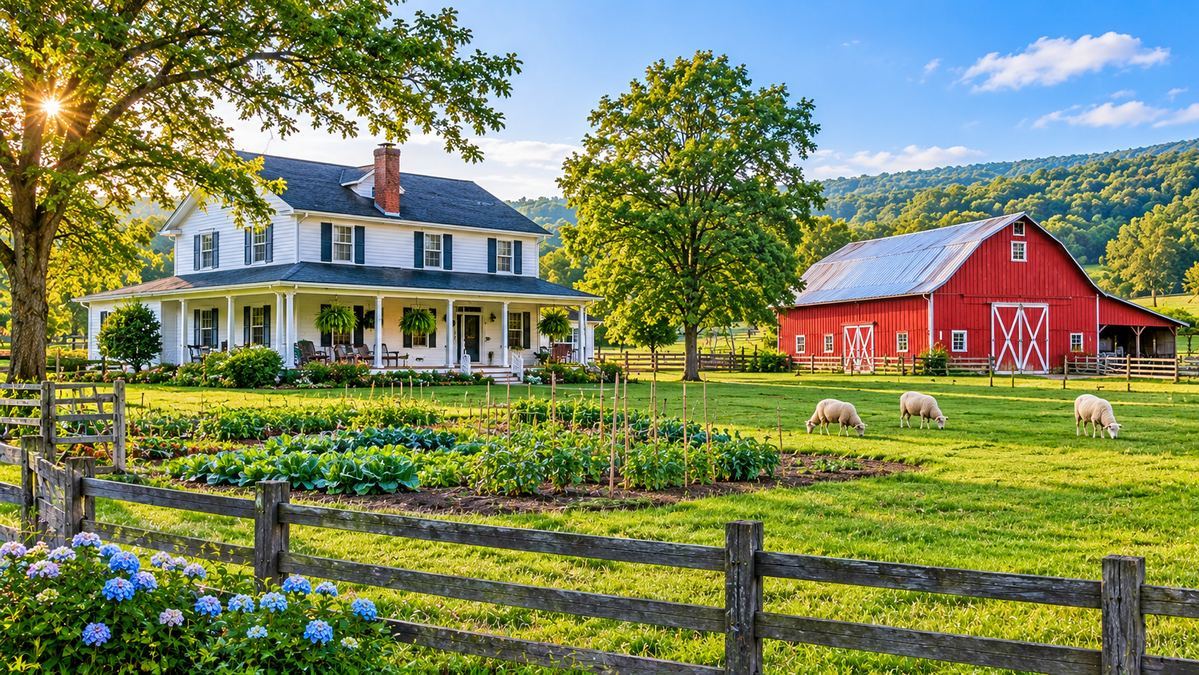
Looking for small farms for sale in the USA? A smaller rural property can offer space for a market garden, orchard, poultry, goats, sheep, a family homestead or a part-time farming project. But “small farm” is not a fixed legal or acreage category. A five-acre property with usable pasture and reliable water may suit one buyer better than a much larger parcel with steep slopes, wetlands or limited access.
This guide explains how to search for small farms and hobby farms, compare acreage and facilities, evaluate listings and check the practical details before making an offer. Listings, prices and availability change; confirm every property directly with its agent or seller.
Where to Find Small Farms for Sale in the USA
Use specialist land marketplaces to discover rural properties, then verify details with the listing agent, county records and an in-person visit. Search by state, county, acreage, price and property features rather than relying on one broad keyword.
- LandSearch small farms and hobby farms – browse small-acreage properties and farmettes across the United States.
- Land.com hobby farms – compare rural listings that may include homes, barns, pasture and acreage.
- LandWatch – search rural land, farms, ranches and recreational properties.
- Land And Farm – explore farm, ranch and land listings by location and property type.
Marketplace counts are not a guarantee that every listing is current or unique. Confirm the listing status, asking price, parcel number, acreage, included buildings and seller contact before planning a visit.
What Counts as a Small Farm or Hobby Farm?
There is no single nationwide acreage definition for a small farm or hobby farm. The right size depends on the intended activity, local zoning, soil, water, climate, equipment and how much time you can devote to the property.
- Garden or micro-farm: a compact parcel may support vegetables, flowers, seedlings or a small market garden if soil, water and local rules are suitable.
- Hobby farm: a rural home with some usable land may suit a few animals, fruit trees, poultry or part-time growing.
- Small livestock property: pasture, secure fencing, shelter, handling space and dependable water matter more than the advertised acreage alone.
- Small orchard or specialty farm: evaluate crop suitability, irrigation, frost exposure, mature plantings and access to buyers.
- Homestead with acreage: buyers may prioritize a livable house, garden space, outbuildings, privacy and utilities rather than commercial production.
Before choosing a size, write down the activities you intend to carry out. Ask the county planning or zoning office whether those uses are permitted on the specific parcel. A listing described as a hobby farm does not itself establish legal permission for livestock, commercial sales, additional dwellings or farm structures.
How Much Land Do You Need?
Start with a practical plan instead of selecting an acreage number first. Estimate the space needed for growing beds, pasture rotation, animal shelters, storage, access lanes, a home, septic area and future improvements. Ask an agricultural extension office or qualified local adviser about stocking rates and crop suitability for the local conditions.
Separate the total acreage into usable and restricted areas. Woodlands, steep slopes, wetlands, flood-prone ground, easements, drainage areas and land with poor access may not be available for your intended use. Request a current survey or parcel map and compare it with the listing description.
Features to Look for in Small Farms for Sale
Usable soil and drainage
Review soil texture, drainage, slope and land capability. The USDA NRCS Web Soil Survey is a useful first screening tool, but its maps do not replace on-site soil tests or professional advice. Check for standing water, erosion, compaction and any known contamination or prior land use.
Reliable water
Confirm whether the property uses a well, public water, pond, stream, rainwater system or irrigation district. Ask for well records and recent water-quality tests where relevant. Verify water-use rights, permits and restrictions with the appropriate state or local authority; physical access to water does not automatically mean unrestricted legal use.
Fencing, barns and outbuildings
Inspect fences, gates, barns, sheds, feed storage, animal shelters and electrical systems. Ask which equipment and fixtures are included in the sale. Have major structures inspected and check whether additions or conversions were properly permitted.
House, septic and utilities
If a farmhouse is included, arrange appropriate home, roof, plumbing and electrical inspections. Confirm septic permits and system condition, legal road access, power availability, internet service and the cost of extending utilities. Do not assume a property can support another dwelling or a commercial operation.
Small Farms by Region: How to Narrow Your Search
State and county conditions vary, so use these as broad search starting points rather than rankings or promises about affordability:
- Missouri and Tennessee: investigate mixed pasture, wooded acreage and rural homes; check slopes, drainage, access and usable field area.
- Kentucky and Ohio: compare small livestock properties, pasture and mixed-use rural parcels, while checking local zoning and soil conditions.
- Texas: assess heat, water availability, well capacity, mineral rights and distance to services carefully.
- North Carolina and Georgia: compare growing conditions, drainage, flood exposure, access and the suitability of the property for your intended crops or animals.
- Wisconsin and Michigan: review winter access, buildings, heating costs, growing season and the condition of wells and septic systems.
Do not assume that a state or region is inexpensive based on a few listings. Compare recent local sales, taxes, insurance, maintenance costs and the amount of genuinely usable land.
How to Compare Small Farm Prices
Calculate the asking price per acre, but do not use it as the only measure. A property with a safe house, working well, fencing and maintained barn may have a different value from vacant acreage that needs major improvements. Compare similar parcels in the same county and account for property condition, access, water, soil and permitted uses.
Prepare a realistic ownership budget. Include property taxes, insurance, utilities, repairs, septic and well maintenance, fencing, equipment, fuel, feed, seed, fertilizer, labor and financing. Ask for available utility, tax and maintenance records. A low asking price may reflect expensive repairs, limited access, poor drainage or restrictions that make the land unsuitable for your plan.
Small Farm Buying Checklist
- Confirm ownership and title: have a title professional or real-estate attorney review ownership, liens, easements, restrictions and access rights.
- Verify boundaries: compare the legal description, survey, parcel map, fences and advertised acreage.
- Check zoning: ask the county which residential, agricultural, livestock, business and building uses are permitted.
- Assess soil and drainage: use USDA soil information for initial screening and arrange site-specific testing where needed.
- Test water: inspect the well or other source, review water quality and verify applicable water rights and permits.
- Inspect structures: check the house, barn, roof, wiring, plumbing, fencing, septic system and equipment included in the sale.
- Review hazards: investigate flood exposure, wetlands, erosion, access limitations and environmental concerns.
- Estimate annual costs: obtain realistic tax, insurance, utility, repair and operating estimates.
- Check access and services: confirm recorded road access, year-round access, electricity, internet and emergency-service access.
- Use contingencies and experts: seek local legal, survey, inspection, agricultural and lending advice before waiving protections or closing.
Financing a Small Farm
Financing depends on the property, the buyer’s financial position, farm experience, business plan and intended use. Some rural properties may qualify for residential financing, while land or operating purchases may require specialist agricultural lending. Speak with lenders who regularly finance farms and compare the full costs and conditions.
The USDA Farm Service Agency Farm Ownership Loan information explains federal farm-purchase financing options. The agency also provides programs for eligible beginning farmers. Eligibility rules, loan limits, interest rates and application requirements can change, so check current details with the FSA or a local USDA Service Center. Do not assume you qualify based only on a listing or a general article.
Small Farm vs. Hobby Farm: Which Should You Choose?
A hobby farm usually describes a lifestyle or part-time use, while “small farm” can refer to a range of property sizes and operating goals. The labels overlap in real-estate listings. Focus on whether the parcel supports your intended activity, whether local rules allow it and whether the ongoing costs fit your budget. If you plan to sell products commercially, check business, food-safety, tax and land-use requirements before buying.
Frequently Asked Questions
1. Where can I find small farms for sale in the USA?
Search specialist rural-property marketplaces such as LandSearch, Land.com, LandWatch and Land And Farm. Filter by state, county, acreage and features, then verify each listing with the agent or seller.
2. What is considered a small farm?
There is no universal acreage definition for every state or purpose. A small farm may be a compact market garden, a rural property with pasture or a larger part-time operation. Intended use and local rules matter.
3. Are hobby farms and small farms the same?
The terms overlap, but hobby farm usually emphasizes part-time or lifestyle use. Small farm can also describe a property intended for more regular agricultural production.
4. What should I check before buying a hobby farm?
Check title, survey, zoning, usable acreage, soil, water, access, fencing, buildings, septic, utilities, flood exposure and annual costs. Confirm that your planned activities are permitted.
5. Can I get a USDA loan to buy a small farm?
Some buyers may qualify for Farm Service Agency programs, including programs for eligible beginning farmers. Eligibility depends on the program and applicant; confirm current requirements directly with USDA FSA.
6. Is a small farm with a house better than vacant land?
It depends on your needs and the property’s condition. A house and existing facilities may save setup time, but they can also add repair, insurance and maintenance costs. Inspect everything before deciding.
Final Thoughts
The right small farm is the property that fits your plan, not simply the one with the lowest price or most acreage. Compare usable land, soil, water, access, zoning, buildings and long-term costs. Verify the documents and property condition independently before making an offer.
For a broader look at rural listings and larger agricultural properties, read our main guide to farms for sale in the USA. It covers farm types, listing marketplaces, financing and general farm-purchase checks.
For buyers focused on productive cropland, pasture and larger agricultural parcels, see our guide to farmland for sale in the USA, including soil, irrigation, water rights and due diligence.
For buyers who want a rural residence with land and outbuildings, see our guide to farm houses for sale in the USA, including farmhouse inspections, acreage and buying considerations.
For buyers considering a direct owner sale, see our guide to farms for sale by owner in the USA, including FSBO checks and seller-financing terms.