
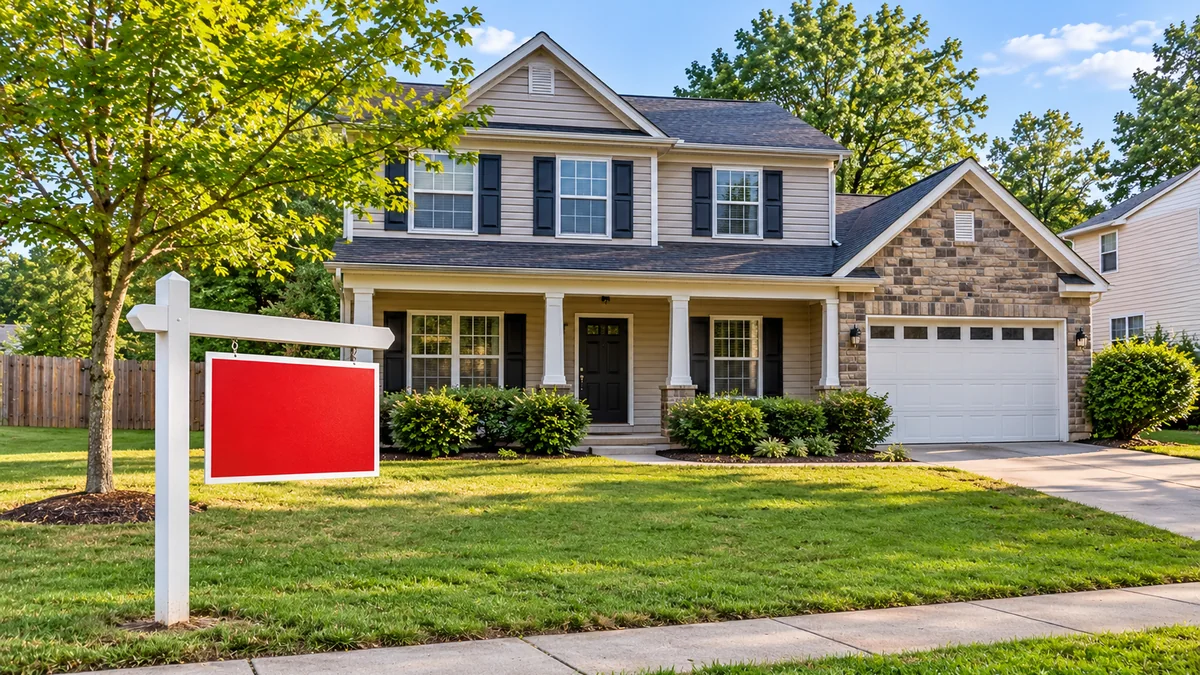
Searching for foreclosure homes for sale in the USA can uncover properties offered through government programs, bank-owned real estate (REO) departments, local multiple listing services (MLS), and public auctions. But “foreclosure” is not one single listing type. A home in pre-foreclosure is legally and financially different from a property already owned by a bank, and both differ from a courthouse or online auction sale.
This guide explains where to search, how to identify the stage of a property, what the main listing labels mean, and which checks to complete before making an offer or placing a bid. It is an educational buyer guide, not a live inventory feed: availability, prices, deadlines, and sale rules must be confirmed on the listing and with the responsible county, agency, lender, or auction provider.
Where to Find Foreclosure Homes for Sale
Start with sources that match the property’s current stage. A national search website can help you discover leads, but verify each property through the actual seller, listing agent, auction terms, and public records.
- HUD Home Store: Search homes owned by the U.S. Department of Housing and Urban Development after qualifying FHA-related foreclosures. HUD homes are generally sold in as-is condition, and offers are submitted through a HUD-registered real estate broker. Review HUD’s How to Sell HUD Homes / buyer information before bidding.
- Fannie Mae HomePath: Search real-estate-owned homes held by Fannie Mae. Check each listing for its current status, offer instructions, and any First Look period for eligible owner-occupants.
- Freddie Mac HomeSteps: Browse homes owned by Freddie Mac. Some properties may need repairs; read the listing and arrange appropriate inspections. Freddie Mac explains its HomeSteps program and First Look approach in its buyer guide.
- VA-acquired properties: The VA says its acquired properties are marketed through local listing agents and may also be viewed through its property-management contractor. Confirm the current listing and contact the broker shown.
- MLS and local real estate agents: Many lender-owned REO properties are listed through a local broker. Ask an agent to search the exact terms “REO,” “bank owned,” “lender owned,” and “foreclosure,” then verify the status shown in the listing.
- County recorder, clerk, sheriff, or public-trustee websites: These are primary places to check legal notices, scheduled sales, deeds, and recorded liens. The office and terminology differ by state and county.
- Listing and auction websites: Zillow, Realtor.com, Foreclosure.com, RealtyTrac, and Auction.com can help locate potential properties. Treat aggregator data as a lead, not proof of ownership, sale date, title condition, or current availability.
Pre-Foreclosure vs. Auction vs. Bank-Owned (REO)
Before contacting a seller, determine which stage the home is in. Search filters sometimes group these labels together even though the buyer’s process is different.
| Listing stage | What it generally means | What buyers should verify |
|---|---|---|
| Pre-foreclosure | The owner has received or is subject to a default-related notice, but the foreclosure sale has not necessarily happened. The owner may still own the home. | Whether the owner is actually selling, whether the loan default can be cured, and whether the listing is a real for-sale offer rather than a public-record lead. |
| Foreclosure auction | The property is scheduled for a public sale under the applicable state and county process. | Sale terms, deposit, payment deadline, occupancy, title, liens, redemption rights, and whether interior access is permitted. |
| REO / bank-owned | The lender or another institution acquired the property after the foreclosure sale or another transfer. | Who holds title, seller addenda, as-is terms, inspection access, repair limits, closing timeline, and title insurance availability. |
| Government-owned | A federal agency or government-sponsored enterprise owns the home and markets it through its own program or a listing agent. | Agency-specific eligibility, offer process, priority periods, broker requirements, and property condition. |
The Consumer Financial Protection Bureau explains that foreclosure may be judicial (through court proceedings) or non-judicial, depending on state law. The sequence, notices, deadlines, and transfer process therefore vary by location. See the CFPB foreclosure overview and verify the local rules before bidding.
How to Search for Foreclosure Homes by Location
- Choose a city, county, or ZIP code. Start with an area where you can inspect the property and understand local taxes, insurance, schools, and neighborhood conditions.
- Use the correct listing filter. Try “Foreclosures,” “Bank Owned,” “REO,” “Auction,” or “Pre-Foreclosure,” but read the individual listing status. The filter name alone does not establish that a home is available for purchase.
- Check official and local sources. Compare the listing with HUD Home Store, HomePath, HomeSteps, the VA property channel, the listing broker, and the relevant county record.
- Record the address and sale details. Note the parcel number, owner of record, listing agent, auction company, sale date, deposit requirement, and offer deadline.
- Confirm that the property is still available. Listings can be withdrawn, postponed, redeemed, sold, or transferred. Contact the responsible party before paying for reports or arranging travel.
Can You Finance a Foreclosure Home?
Financing depends on the stage of sale, property condition, and seller’s terms. Some REO homes are sold through ordinary listing processes and may qualify for conventional, FHA, VA, or other mortgage financing if the property and borrower meet the program requirements. A home that needs substantial repairs may require a renovation product or a different financing plan.
Foreclosure auctions often have strict deposit and settlement deadlines. Some require cash or certified funds and may not allow a mortgage contingency. Do not assume that a preapproval letter is enough to satisfy an auction’s payment rules. Read the specific sale notice and auction terms before registering or bidding. Auction.com explains that payment requirements vary by property and jurisdiction in its auction FAQ.
For a bank-owned home, ask your lender to review the property’s condition and confirm whether the appraisal, insurance, and repair requirements can be met before you make an offer.
Important Checks Before Buying a Foreclosed Home
- Title search and liens: Have a qualified title company or real estate attorney examine ownership, mortgages, tax liens, HOA claims, judgments, easements, and any interests that may survive the sale. Never assume an auction property is automatically free of liens.
- Property inspection: Arrange a professional inspection whenever access is allowed. Check the roof, foundation, plumbing, electrical system, HVAC, water intrusion, mold, pests, and signs of vandalism. A vacant or winterized home may have hidden damage.
- Occupancy and possession: Confirm whether the home is vacant, tenant-occupied, or occupied by a former owner. Do not enter or attempt to remove occupants without lawful authority and local legal guidance.
- Taxes and assessments: Confirm unpaid property taxes, special assessments, municipal charges, and HOA dues with the relevant offices and association.
- Insurance and utilities: Ask an insurer whether the property can be insured in its current condition. Check whether utilities are active and whether systems can be tested safely.
- Repair budget: Get contractor estimates for major work and include permits, debris removal, code compliance, and a contingency reserve in your total cost.
- Sale documents: Read the purchase contract, seller addenda, auction rules, earnest-money terms, closing deadline, and deed/recording requirements. Ask a local professional to explain anything unclear.
HUD states that its homes are sold as-is and strongly encourages buyers to obtain a professional inspection. Auction properties may also have limited interior access and no express title warranty; Auction.com notes that surviving liens and liabilities depend on local law. These are reasons to complete due diligence, not reasons to assume every foreclosure has the same condition or legal status.
Are Foreclosure Homes Always Cheaper?
No. A foreclosure label does not guarantee a bargain. The asking price or opening bid may not include repairs, unpaid charges, buyer premiums, title work, insurance, financing costs, or the time needed to obtain possession. Competition can also push auction bids above a buyer’s planned budget.
Compare the property’s total expected cost—not just the advertised price—with recent comparable sales in the same area. Include closing costs, repairs, taxes, insurance, carrying costs, and a realistic contingency. If the numbers only work when every assumption goes perfectly, reconsider the offer.
Common Foreclosure Listing Scams to Avoid
- Do not send money to a person who claims to “reserve” a property without verifiable authority from the owner, lender, agency, or auction provider.
- Be cautious of pressure to wire a deposit immediately to a changed or unfamiliar bank account. Confirm payment instructions using a trusted phone number obtained independently.
- Do not rely on a screenshot, old listing, or social-media post as proof that a property is available.
- Verify the parcel number and ownership through county records and confirm the auction with the official trustee, sheriff, clerk, or named auction company.
- Be wary of guaranteed discounts, guaranteed title, guaranteed financing, or claims that every foreclosure can be purchased with no inspection.
Foreclosure Homes and Other Affordable Home Searches
If your main goal is a low purchase price rather than a foreclosure-specific transaction, compare regular listings and budget-focused searches too. Our guide to houses for sale under $50K in the USA covers low-price search filters and buyer checks. If you want a rural property with land rather than a distressed-property purchase, see homes with acreage for sale in the USA. For agricultural properties, browse our farms for sale in the USA guide.
Frequently Asked Questions
- Where can I find free foreclosure homes for sale?
Start with HUD Home Store, Fannie Mae HomePath, Freddie Mac HomeSteps, VA-acquired property listings, county public records, and free foreclosure filters on major real estate websites. Confirm every listing with its responsible seller or broker. - What is the difference between foreclosure and bank-owned homes?
A foreclosure is the legal process used to enforce a mortgage after default. A bank-owned or REO home is generally one the lender has acquired after the foreclosure sale or transfer. The stage determines how the home is sold. - Can I buy a foreclosure home with a mortgage?
Some listed REO properties can be purchased with mortgage financing if the home and borrower qualify. Auction terms may require cash or certified funds and may not allow financing contingencies. Check the property-specific rules. - Are foreclosure homes sold as-is?
Many government-owned and bank-owned properties are sold as-is, but the exact contract controls. Buyers should review disclosures and arrange inspections when access is permitted. - Can I inspect a home before a foreclosure auction?
Access varies by property, seller, and local rules. Some auction properties do not allow interior access before the sale. Never enter a property without permission. - Can a foreclosure home have liens or unpaid taxes?
It can. The effect of mortgages, tax liens, HOA claims, and other interests depends on the type of lien, priority, sale process, and state law. Obtain a professional title search before bidding. - Are pre-foreclosure listings available for immediate purchase?
Not necessarily. A pre-foreclosure record may only indicate a default-related filing; the owner may still hold title and may not be selling. Confirm the owner’s intent and the property’s current status. - Do foreclosure homes always sell below market value?
No. Repair costs, buyer premiums, taxes, title issues, competition, and possession delays can erase any apparent discount. Compare total costs with recent local sales. - What should I check before making an offer?
Verify ownership and status, title and liens, property condition, occupancy, taxes, insurance, financing, seller addenda, deadlines, and all fees. Consult a local real estate attorney or qualified agent when needed. - Does foreclosure law work the same in every state?
No. Judicial and non-judicial procedures, notices, auction rules, redemption rights, and deed transfer requirements vary. Check the law and official records for the property’s state and county.
Final Buyer Checklist
Foreclosure homes for sale can be worth researching when you understand the stage of the sale and verify the facts independently. Begin with official agency portals and county records, compare the property with local sales, and calculate the full cost of ownership. Before you bid or sign, confirm title, liens, inspection access, occupancy, payment deadlines, and the deed process with qualified local professionals. A careful review is more valuable than chasing an advertised discount.
Information is general education, not legal, tax, or financial advice. Foreclosure laws and sale procedures vary by state and county. Always rely on current official records and the written terms for the individual property.